Electronic and Computer Engineering (EAC)
Studies at the Faculty of Electronics, Photonics and Microsystems
Start EnrollmentStudy EAC
Are you interested in new technologies, computer science, electronics, or robots?
EAC combines the best in computer science, electronics, and robotics.
We combined these three majors into one – eliminating unnecessary and boring subjects,
leaving only the most fascinating topics.
What will you learn with us?
Programming
Programming in structural (C, C++), object-oriented (C#, JAVA),
low-level (asembler) i high-level (Python) languages, as well as embedded systems (FPGA)
AI / ML
You will learn to implement artificial intelligence algorithms (machine learning and neural networks) for data processing, image recognition, process optimization, etc.
Applied electronics
You will understand the principles of electronic components and circuits, and be able to design and make your own electronic projects (analog and digital)
Automation & Robotics
Design and programming of robotic systems, controllers (e.g. PLC), control systems, measurement systems (e.g. Internet of Things,smart buildings),
Plan of study
Our plan of study is divided into 7 semesters.
Click on any subject to learn more.
| Semestr 1 | Semestr 2 | Semestr 3 | Semestr 4 | Semestr 5 | Semestr 6 | Semestr 7 |
|---|---|---|---|---|---|---|
|
Introduction to programming
|
Electronics 1
|
Electronic Components
|
Electronic Circuits
|
Computer networks
|
EdgeAI
|
Copyright
|
|
Math - Algebra
|
Foreign language 1
|
Electronic Technology
|
Fundamentals of Telecommunications
|
Microcontrollers
|
Optional Courses 2
|
Diploma seminar
|
|
Math - Analysis 1
|
Math - Analysis 2
|
Electronics 2
|
Introduction to Automation
|
Optional Courses 1
|
Optional Courses 2
|
Entrepreneurship
|
|
Metrology
|
Object oriented programming
|
Foreign language 2
|
Introduction to logic and microcontrollers
|
Optional Courses 1
|
Optional Courses 2
|
Final project
|
|
Philosophy
|
Physics
|
Math for Electronics
|
Introduction to Robotics
|
Optional Courses 1
|
Selected topics in deep learning
|
Internship
|
|
Physics for Electronics
|
Python
|
Sensors
|
Team and preengineering project
|
Optional Courses 3
|
||
|
Scientific and Engineering Programming
|
Software engineering
|
|||||
| *Optional courses - the students can select from the available list of courses. The selection is based on democratic voting in the group. | ||||||
Laboratories
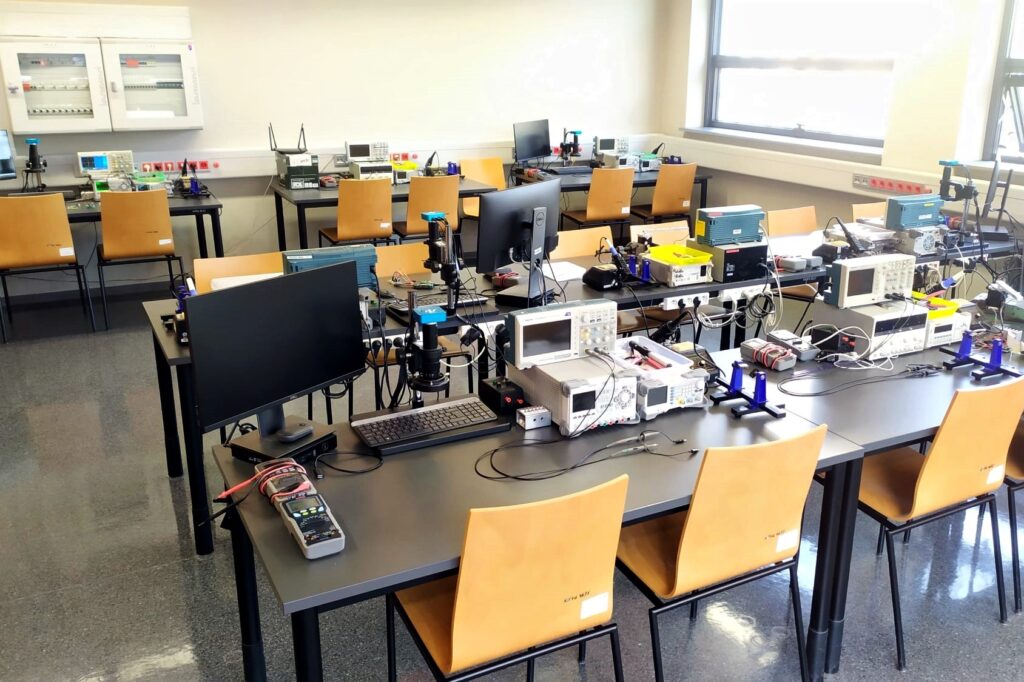
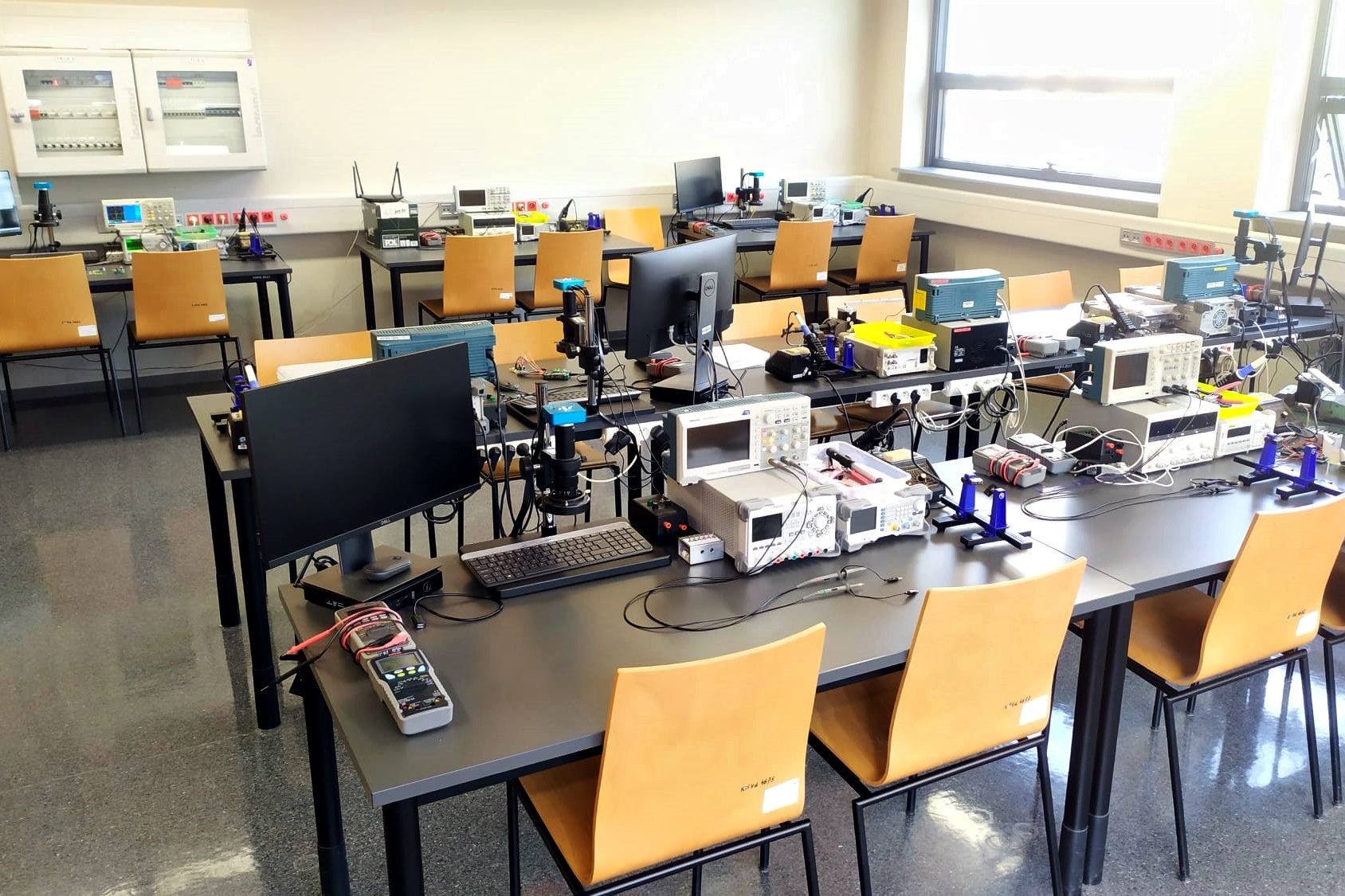
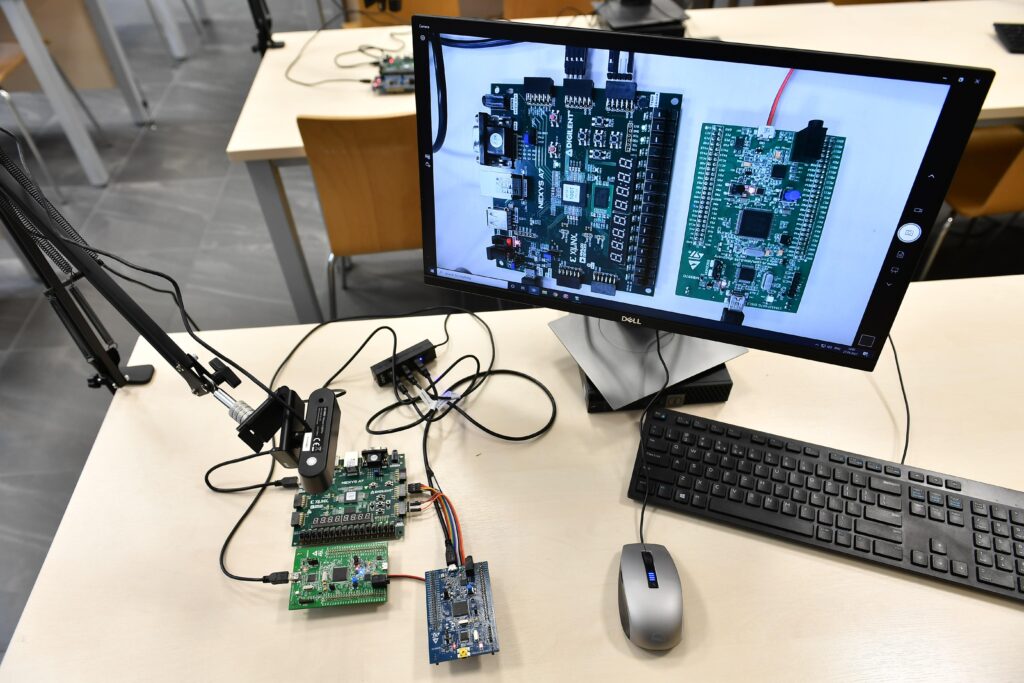
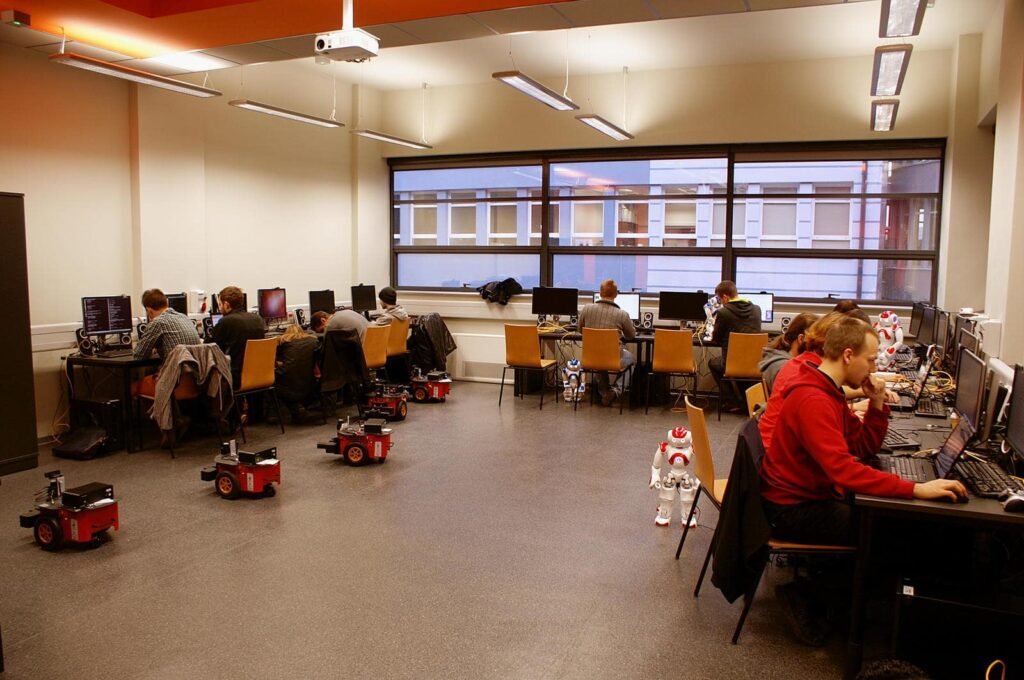
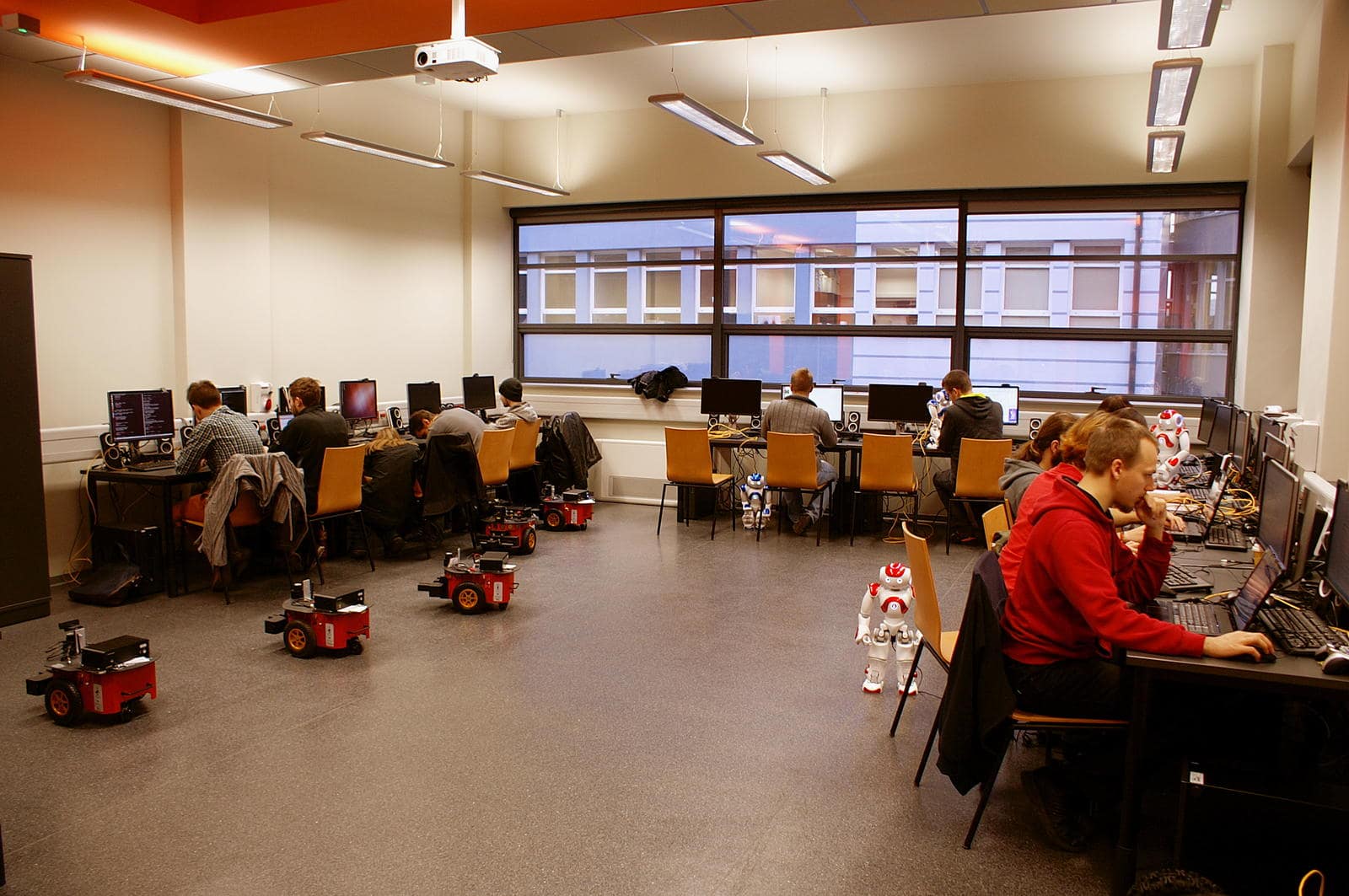
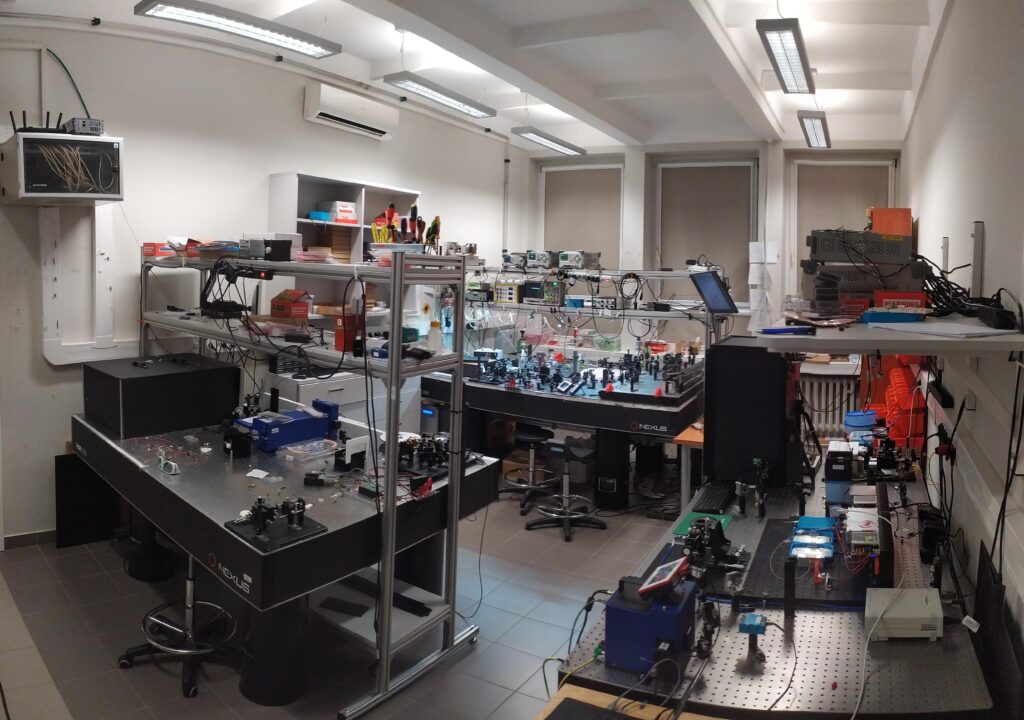
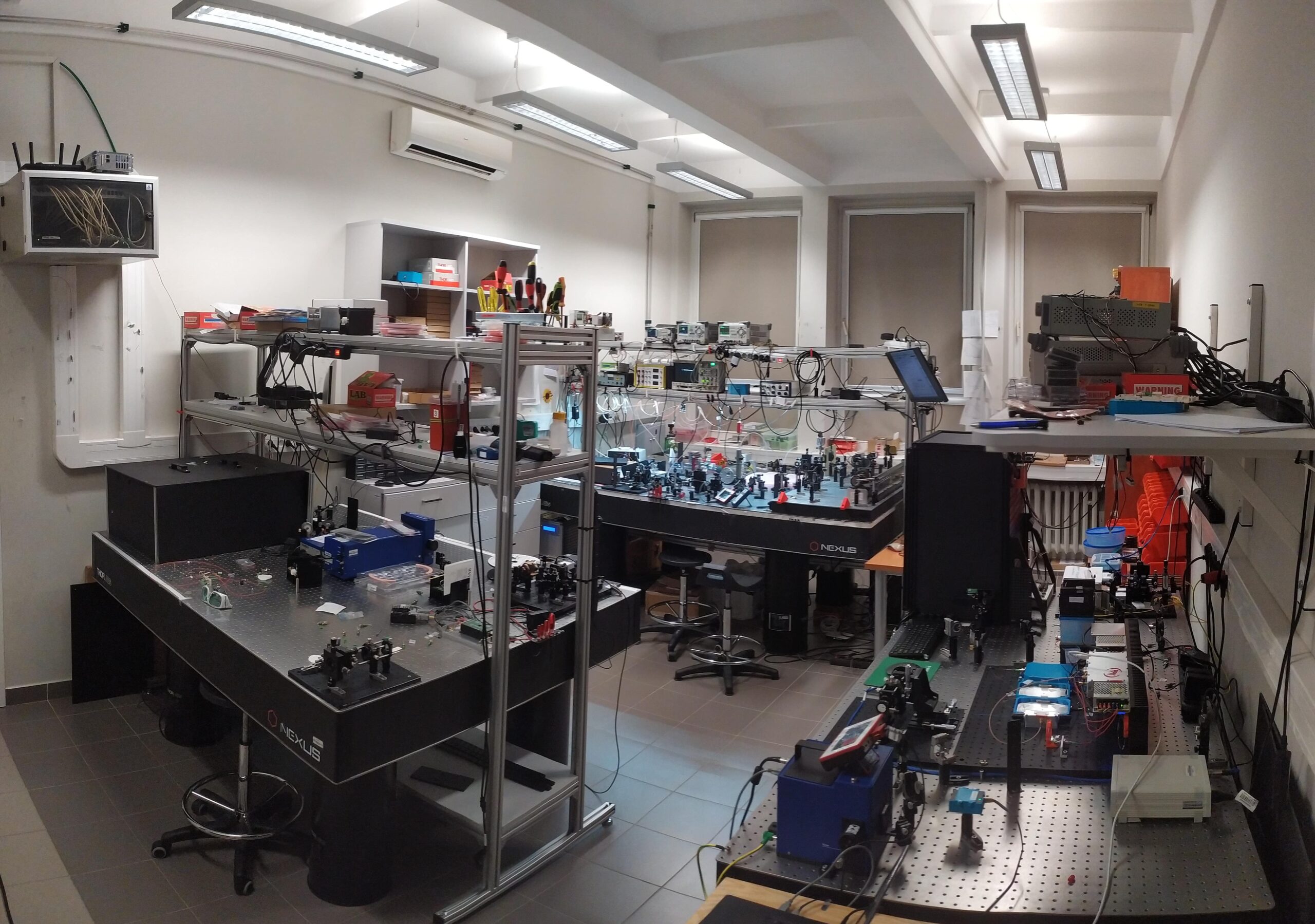
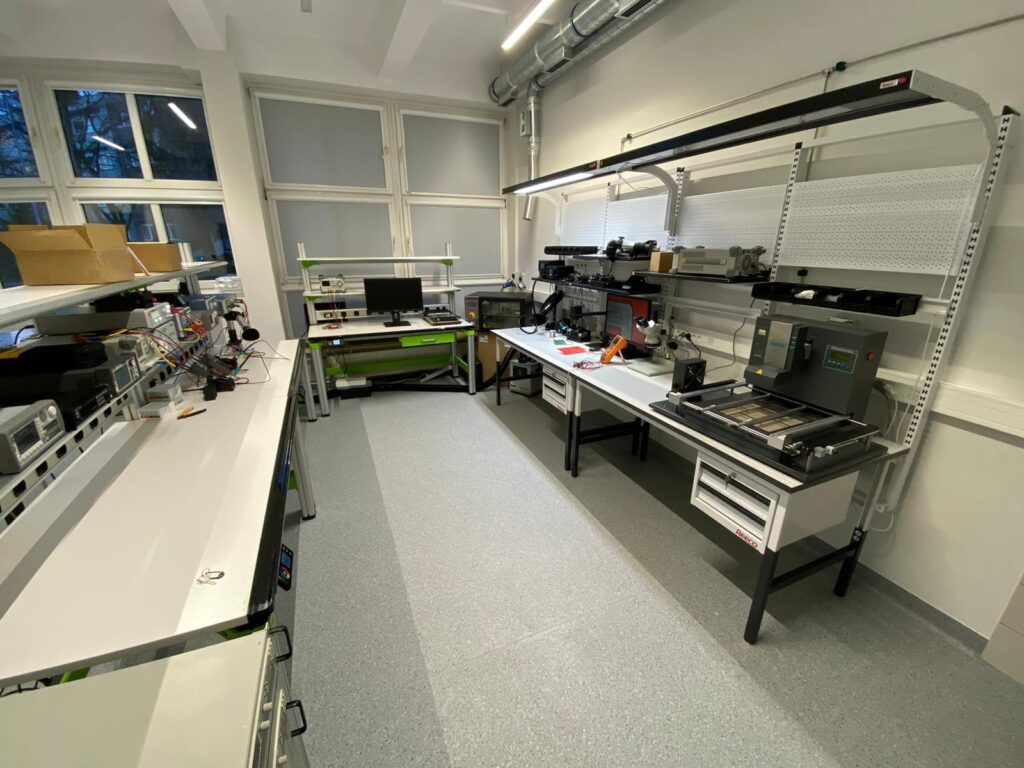
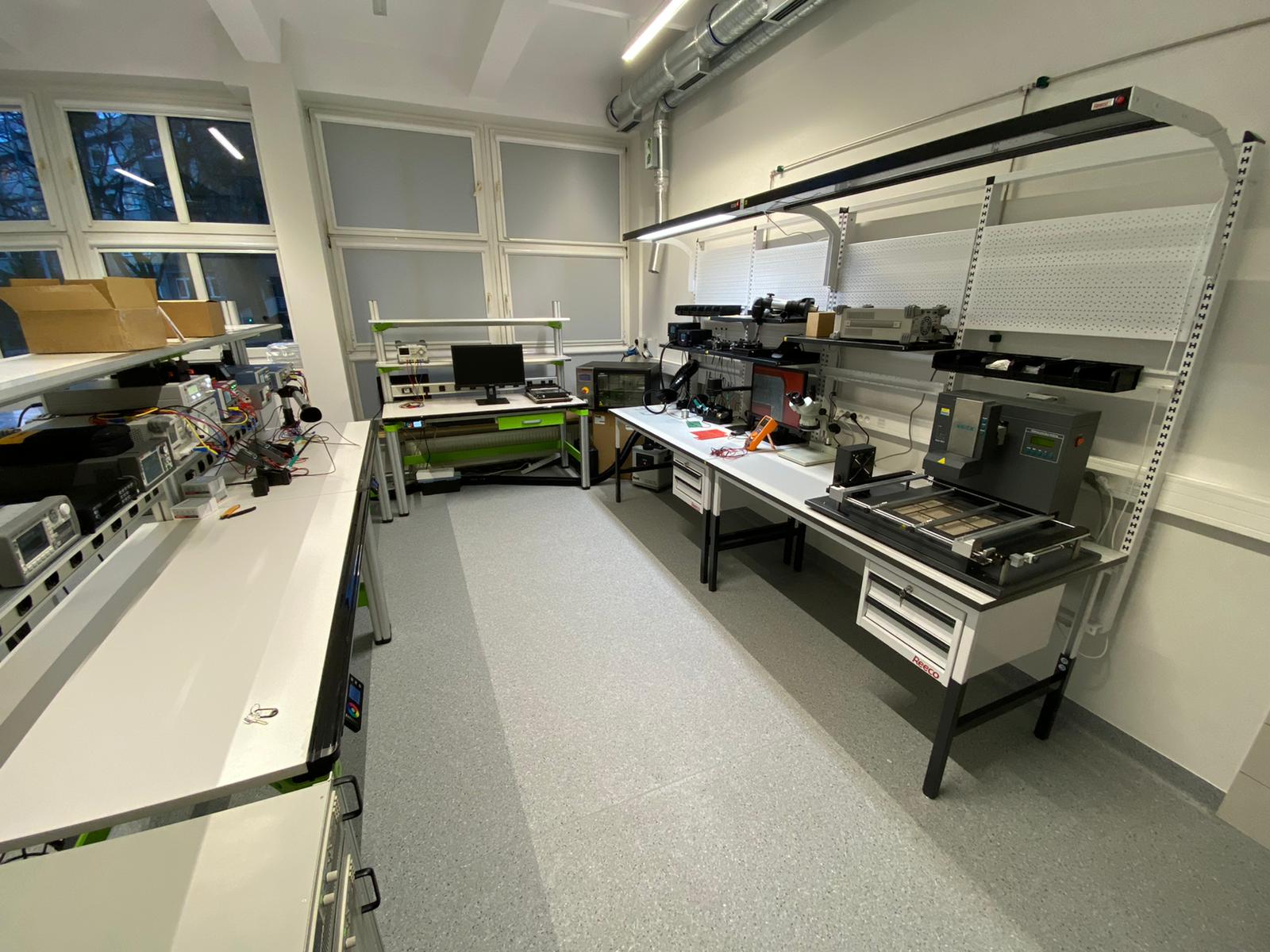
Studying at EAC, you get access to well-equipped laboratories,
where you will learn programming, development of electronic circuits, or designing robots.
In these laboratories, you can also implement your own ideas – as part of your diploma thesis
(engineering project) and a team project. During your final semester, you gain
access to research labs where students don’t normally hang around.
Selected teaching laboratories:
Electronic circuits laboratory
Microcontrollers laboratory
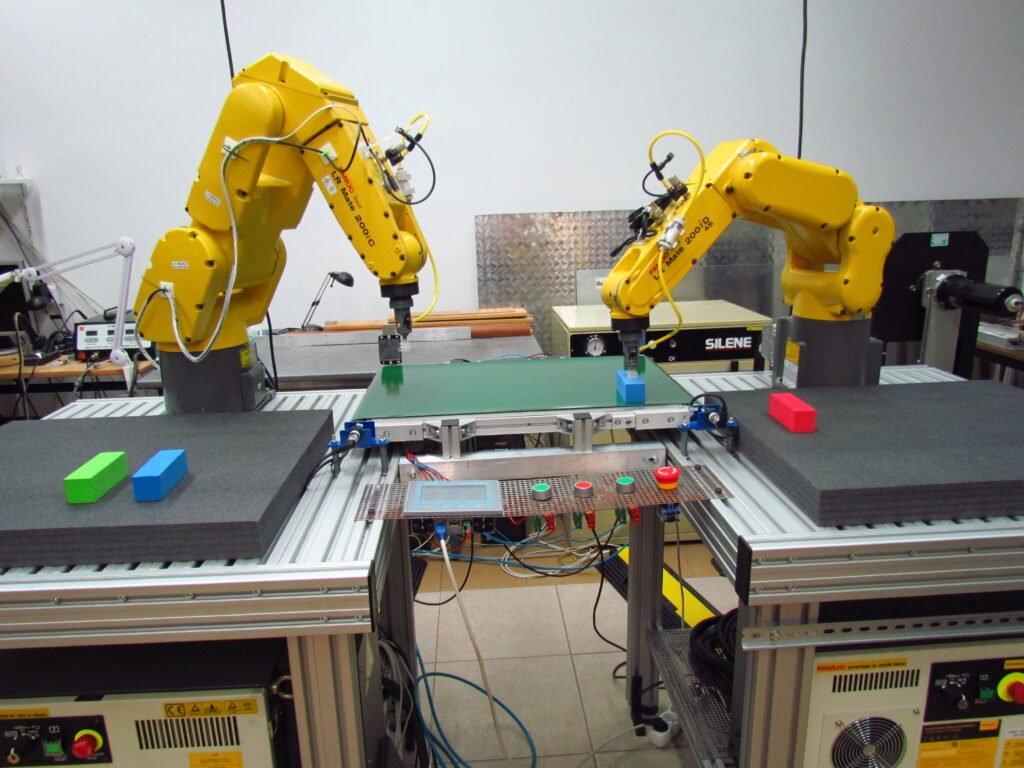
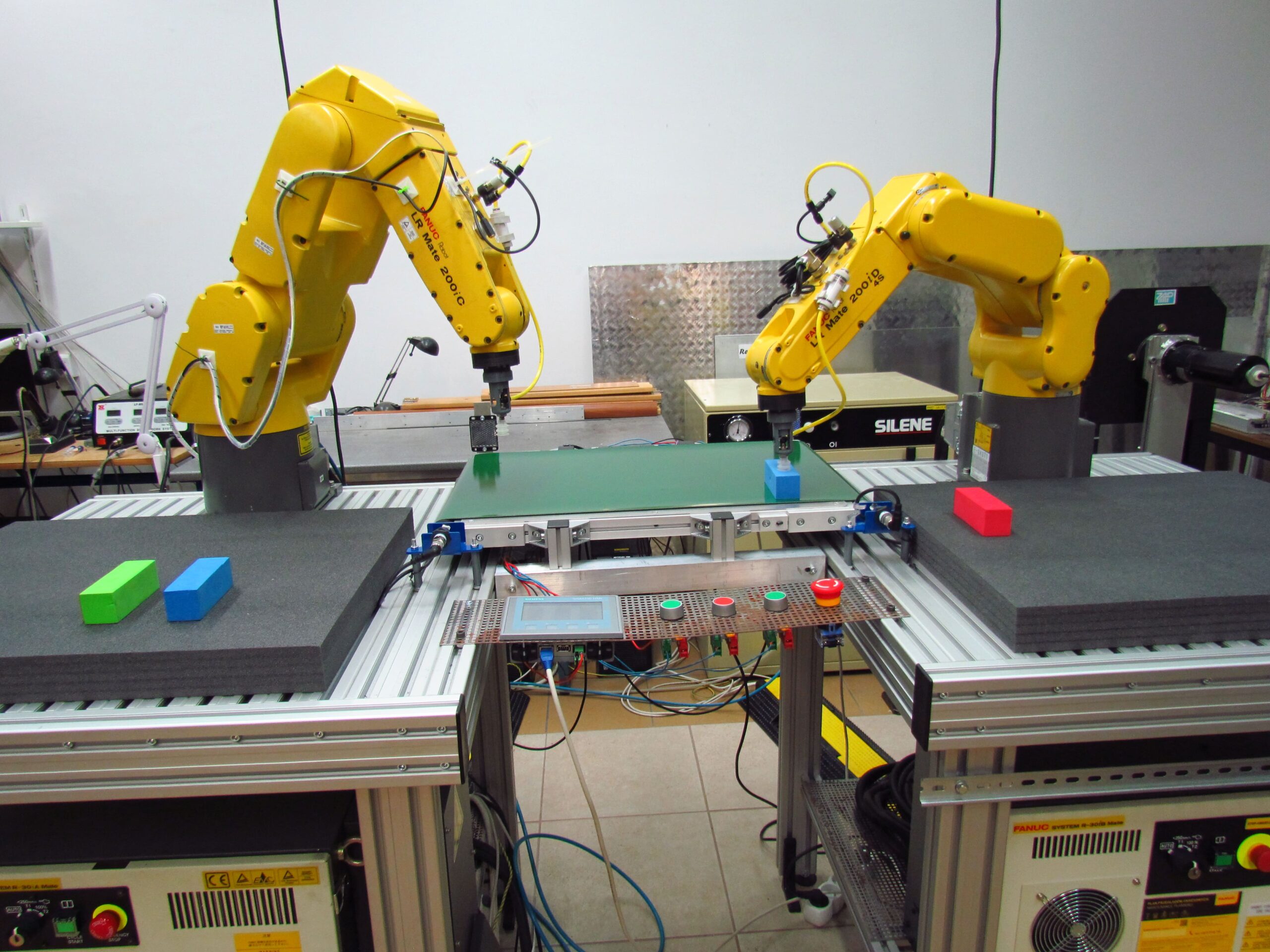
Robotics laboratory
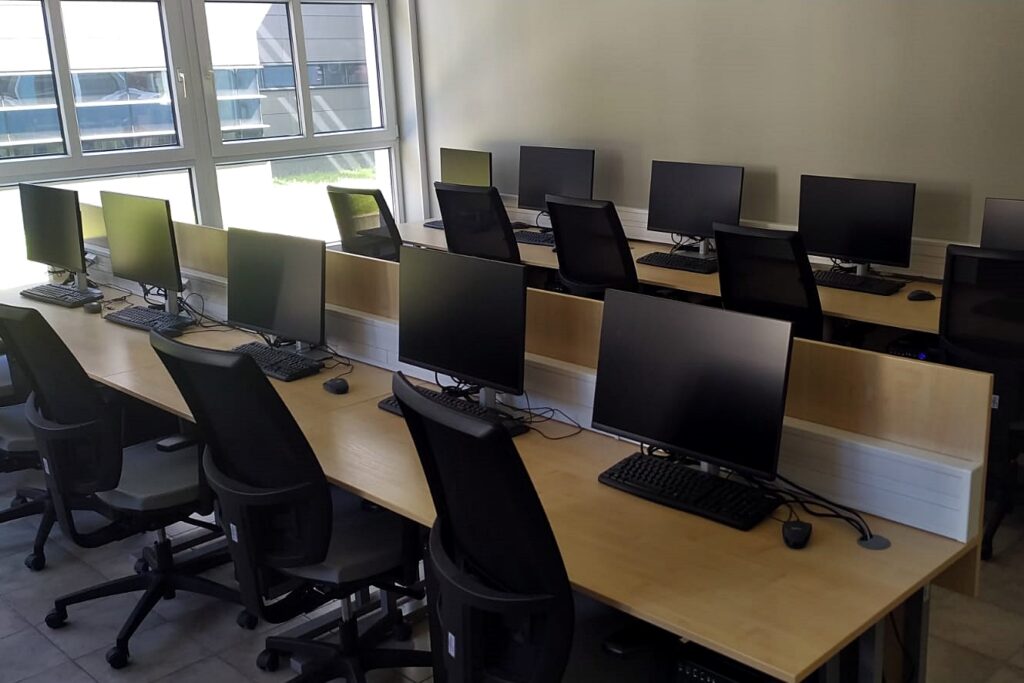
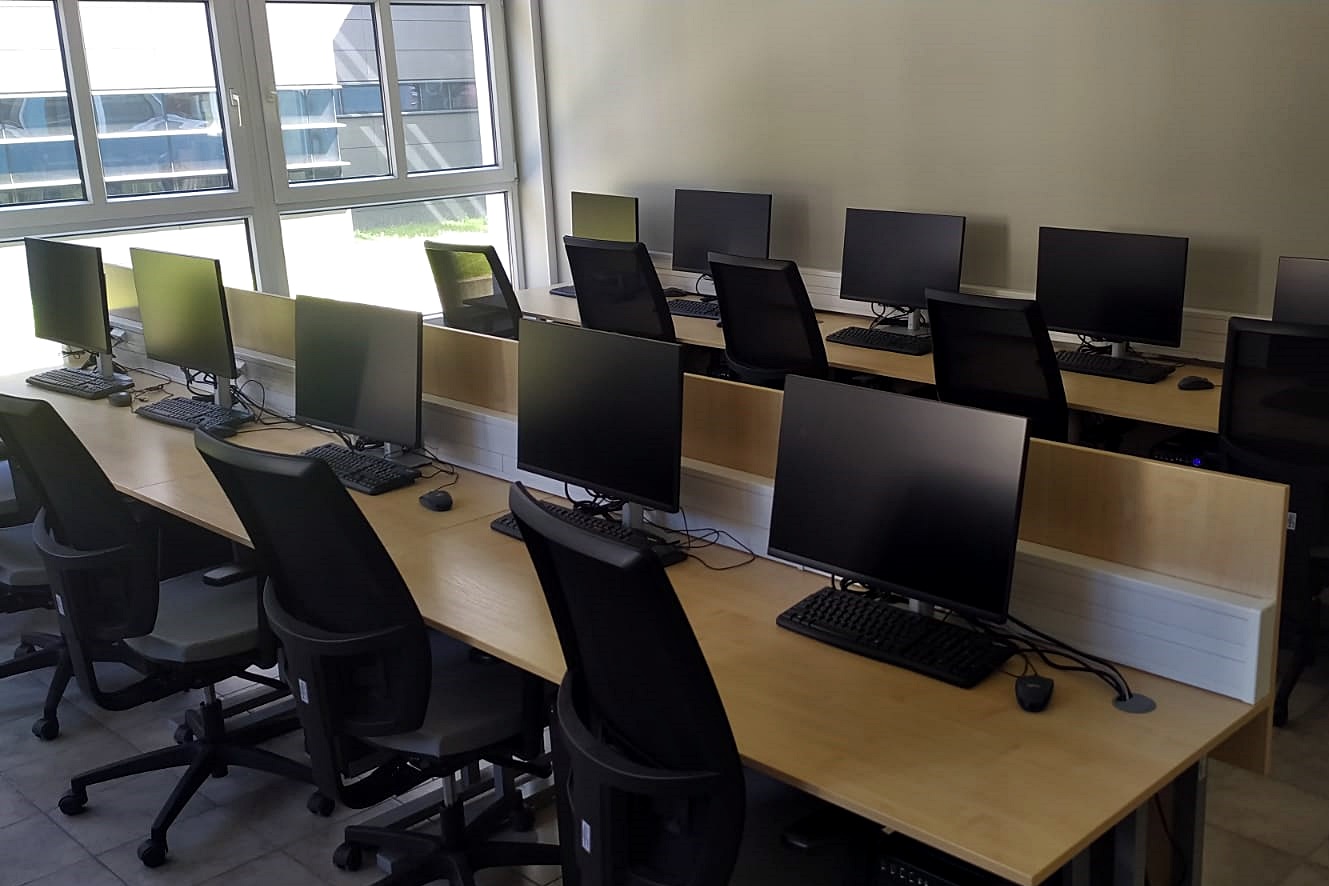
Computer laboratory
Selected research laboratories:
Laser laboratory
Robotics laboratory
Electronic laboratory
Selected teachers
×
Marek Piasecki, PhD, received his doctoral degree in robotics (navigation systems for mobile robots). After his PhD, he worked on low-level sensor data processing, environmental state modeling, map-building algorithms and localization of autonomous vehicles. From 2003-2010, he also specialized in designing applications for mobile devices (phones, smartphones, and tablets). Starting with the historic PocketPC, WindowsMobile, and Symbian systems, and ending with the most popular current Android and Apple iOS operating systems. Since 2010, he has participated as a designer and chief architect of distributed information systems combining web applications, central data repositories, and mobile terminals (Android smartphones and iOS/iPad tablets).
He currently works as an assistant professor in the Department of Computer Engineering [K30], at the Faculty of Information and Communication Technology [W4]. He specializes in sensory data analysis methods, filtering, data aggregation, and classification algorithms for large measurement data sets, and applications of artificial intelligence in distributed information systems.
He teaches classes on mobile app design in English, e.g. ”Application Programming - Mobile Computing"
EAC teaching activities: Introduction to Programming (lecture and laboratory)
Robert Muszynski, PhD, is a roboticist. He graduated from the Faculty of Electronics of the Wroclaw University of Technology in 1992. In the same year, he became a doctoral student at the Institute of Technical Cybernetics at the Wroclaw University of Technology, where he worked on the issues of peculiarities of kinematics of robotic manipulators, their models and control. As part of his professional work, commissioned by the Ministry of Foreign Trade and Industry of Japan, he conducted research on hybrid evolutionary programming techniques as applied to the control of robotic manipulators, participated in scientific and research work on modeling and control methods for peculiar and nonholonomic robots, including a European project on the development of technology for building an intelligent companion for human life - a social robot capable of interacting with people and maintaining long-term relationships with them. He collaborated with the Wrocław Film Studio (transformed into the Audiovisual Technology Center during the project) in the development of innovative technology for the production of special effects using a robot as a motion control system, as well as with FANUC Poland as part of the industrial internship "Competence Accumulation - an internship program to engage academics in the development of nano, bio, energy industries." He teaches classes in programming, modeling and control of robotic systems, including cobots (collaborative robots), as well as the use of symbolic methods and teamwork implementation. He is the supervisor of the "KoNaR" Robotics Scientific Group.
EAC teaching activities: Introduction to Robotics, Scientific and Engineering Programming
Alicja Kwaśny, MSc, completed her engineering studies in the field of EAC in 2021 at the Faculty of Electronics of the Wrocław University of Technology and her master's studies in the field of Advanced Applied Electronics in 2022 at the Faculty of Electronics, Photonics and Microsystems. Currently, she is a PhD student at the Doctoral School of the Wrocław University of Science and Technology. She is a specialist in control and real-time systems, programming in LabVIEW and Python, as well as laser technology and machine learning. In her research work, she deals with the optimization of ultra-short laser pulses using artificial intelligence and multi-photon microscopy. She also creates software in the LabVIEW environment for optical systems in the laboratory.
EAC teaching activities: Python (classes where you can teach a computer to play a computer game, and take a selfie with a Raspberry Pi)
Katarzyna Mroczkowska, PhD, completed her engineering studies at the Faculty of Fundamental Problems of Technology and received her master's degree from the Faculty of Microsystem Electronics and Photonics. In 2019, she obtained a PhD degree in technical sciences at the Faculty of Electronics of the Wrocław University of Technology. She is a specialist in the field of laser micromachining. In her research work, she deals with the impact of laser radiation on materials and also examines their corrosion resistance. She has developed a number of solutions in the field of color marking of metals using laser radiation.
EAC teaching activities: Electronics, Fundamentals of Telecommunications
Mateusz Cholewiński completed his master's studies in the field of Automation and Robotics at the Wrocław University of Technology. In 2017, he obtained a PhD degree in technical sciences at the Faculty of Electronics of the Wrocław University of Technology. He is a specialist in image processing, mobile robotics and programming. In his research he deals with robot control based on for a mathematical model and the use of embedded systems in the control process.
EAC teaching activities: Artificial Intelligence and Computer Vision, Real Time Operating Systems
Grzegorz Dudzik obtained his Ph.D. on "Laser frequency standard 780nm/87Rb with Zeeman splitting of the atomic line" at the Faculty of Electronics, Wroclaw University of Science and Technology in 2009. In 2011 he was promoted to the Assistant Professor position. His main research contributions are connected with new approaches to laser spectroscopy, laser frequency stabilization, laser interferometry and vibrometry, solid-state lasers, designing advanced electronics, signal processing, detection, and programming. Such a wide range of Grzegorz’s activities was possible due to his experience in his professional career and participation in many grants (12), mainly as a principal investigator and designer.
EAC teaching activities: Electronics; Embedded Systems
What's next?
We can definitely say: our graduates have absolutely no difficulties with finding a job.
Studying at the EAC will give you the necessary knowledge and skills to get a job immediately after graduation in positions such as:
Junior C# Developer
Junior Java Software Engineer
Junior DevOps Engineer
Software tester
Junior Python Developer
Electronic engineer
Junior FPGA Engineer
… and many more!
* real earnings data from Kodilla 2023 and Pracuj.pl reports
If you still have a thirst for knowledge after completing the EAC, you can continue your studies in English at Advanced Applied Electronics (AAE) held at our Department
Studying at EAC is also an excellent choice if you are thinking about a research career, or working in R&D centers. Many of our graduates pursue research careers at universities and research institutes around the world.
Selected graduates
Every year around 30 students accomplish EAC studies. Would you like to join them?
Check out the profiles of our graduates and find out what they think about studying at EAC, and how EAC impacted their carreers!
Mikołaj Krakowski
“EAC offers what others cannot”
“During my studies, I already worked as a programmer of LabVIEW control systems. In total, I completed 5 internships in this field, including 3 in a research center (ELI-Beamlines), 1 in a corporation (WABCO) and 1 in a research laboratory (PWr). I am currently a PhD student at the Wrocław University of Technology. Studies at EAC allowed me to establish international contacts and try different engineering fields before choosing a specialty. The subject of my diploma thesis was "Development of a control system for ultra-high voltage power supplies in a high-energy ion spectrometer". During my studies, I worked as a programmer of control and embedded systems and an engineer of fiber optic technology. Immediately after graduating from ECE, I decided to continue my master's studies and choose the Advanced Applied Electronics (AAE) specialization.
The field of study itself is a great starting option for people who do not fully know what specialization they want to pursue. The scope of the EAC field of study is very wide and students can deal with issues ranging from robotics and automation through programming, electronics and optics to machine learning and artificial intelligence. At the beginning of my studies, I myself was not sure what path I would take after graduation, but the profile of the field of study allowed me to postpone this decision "for later" - when I learned the basics of various issues and could decide what interests me the most. This convinced me the most to sign up for these studies, because I tried my hand at object-oriented programming, robotics, ordinary electronics and optics and I could find what I am most interested in professionally, i.e. control systems and fiber optics.
I recommend this field of study to the next generations of students because I think it offers them what other fields of study cannot (at least directly), i.e., a network of contacts from abroad, opportunities for foreign internships (including research internships as in my case), an opportunity to try various engineering issues and then choose a specialization and a chance to study in a smaller and friendlier group"
Michał Porębski
“Wiedza zdobyta na EAC pozwala mi dalej rozwijać swoją karierę”
Bardzo polecam kierunek EAC, ponieważ przygotował mnie zarówno teoretycznie do dalszego rozwoju kariery oraz, co szczególnie doceniam, zapewnił wiele zajęć praktycznych.
Jeszcze w trakcie studiów odbyłem praktyki w firmie tworzącej linie produkcyjne oraz w ELI w Pradze. EAC ukończyłem pisząc pracę na temat: "Balanced photodetector module for advanced optical systems".
Następnie rozpocząłem studia magisterskie w Finlandii na Uniwersytecie Aalto, kierunku Electronics and Nanotechnology ze specjalizacją Space Science and Technology. Równocześnie podjąłem pracę w Nokii jako programista C++, Pythona i projektant AI, a także zrealizowałem tam projekt magisterski.
Obecnie daję sobie trochę wytchnienia i podróżuję. :)
Bardzo miło wspominam czas na EAC, poznałem tam wspaniałych ludzi, zarówno studentów jak i profesorów, a wiedza o jaką się wzbogaciłem pozwala mi dalej rozwijać swoją karierę oraz realizować własne projekty.
Jakub Zatoń
“I recommend EAC!”
"I am a graduate of EAC, currently working as a "Junior Designer Elektronik" at SONEL S.A. I mainly deal with the design and analysis of measurement systems. The knowledge learned at EAC, combining hardware and software aspects, helped me start working at "PWr in Space" scientific group, where embedded systems supporting refueling and launching of an experimental rocket are created. In the field of study, I carried out research engineering work related to the assessment of the performance of ADCs. I recommend EAC mainly to people interested in creating systems from scratch through hardware to software."
Julia Rzepka
“Amazing memories”
"When choosing my first-degree studies, I wanted to try many different fields and only then make a decision about my master's studies and future career. Thanks to Electronic and Computer Engineering, I was able to familiarize myself with electronics, automation, robotics, telecommunications and programming. I intend to continue my studies at the Wrocław University of Science and Technology, specifically in the field of Trusted Artificial Intelligence Systems.
The topic of my engineering thesis was "Usage of computer vision algorithms and artificial intelligence methods in medical applications". The main assumption was to develop and describe the operation of neural networks to detect the presence and type of brain tumor from magnetic resonance images.
I did my internship at Lasertex sp. z o.o. Thanks to this experience, I was able to learn the work of electronics from scratch.
Among the many advantages of the course, the leading one is the fact that classes are held in English. Thanks to contact with this language on a daily basis, I got used to using it more boldly. Undoubtedly, EAC is one of the smaller groups, so I could always count on an individual approach from the lecturers. I can't say this for sure for every year, but my class is very friendly and funny people with whom I was able to create amazing memories."
Adam Czyżewski
“EAC is above average”
“I have been working at Nokia since the beginning of 2019, when I was in the 4th semester of EAC. I got the job after participating in the "Speed Recruitment" campaign organized at Wrocław University of Science and Technology, where I was invited to a job interview, after which I was hired. I started as a C++ Developer, but now I've been working as DevOps for half a year.
When choosing EAC, I was guided by the fact that I would gain knowledge both in the field of programming and electronics, at that time I wasn't quite sure what I wanted to do after graduation, so it seemed like a great option. I really liked programming after the Introduction to Programming classes in the first semester with Dr. Marek Piasecki, I decided to develop in this direction in my spare time. I believe that my career could have developed in the same way after another field of study, e.g., IT, but I do not regret my choice, because I have gained a lot of interesting and useful knowledge that I would not have gained anywhere else to such a large extent.
The subject of my thesis is "Algorithm for the real-time detection of QRS complexes in the ECG signal". The work consisted in the implementation of an algorithm in MATLAB that allows detecting heart cycles in the ECG signal.
My job at Nokia during my studies was included as an internship.
I would definitely recommend this direction (by the way, I've done it more than once). You can gain a really wide range of knowledge and a solid foundation for its further development, discover interests, as well as meet cool people. On the plus side, there are also the teachers, most of whom were at least okay, many were really good. Talking to friends from other majors, I think EAC is above average in this respect.”

Pedro Miranda Monteiro De Carvahlo

“A perfect match”
“With a well-organized curriculum and a very practical approach to the subjects, I found Electronic and Computer Engineering an incredibly versatile specialization - my positive experience even inspired me to continue my studies at master's level in PWr.
The multidisciplinary nature of the course allowed me to easily navigate between different areas of engineering, such as analog and digital circuit design, laser theory, and embedded systems programming; A perfect match for the R&D and hardware design job I received just after graduation.”
EAC Program Committee:
EAC is supervised by a special group of people, the so-called Program Committee. The Committee creates the teaching program, takes care of the quality of teaching, and also adjusts the study program based on the feedback from students.
Grzegorz Soboń, Ph.D., is a graduate of the Faculty of Electronics, Wroclaw University of Technology (2010). He received his doctoral and habilitation degrees in 2013 and 2018, respectively. Since 2019, he is employed as an associate professor at the Wroclaw University of Technology. His research interests focus on laser technologies. He leads the Optical Frequency Combs Group, a research team that develops novel femtosecond lasers for microscopy and spectroscopy applications. Since 2021, he has been the Chairman of the Program Committee of Electronic and Computer Engineering.
Teaching activities at EAC: Lasers, fibers and applications
Grzegorz Świrniak, PhD, is a graduate of the Faculty of Electronics, Wroclaw University of Science and Technology. Since 2002 he’s been working at the Chair of Electronic and Photonic Metrology. He was awarded a habilitated doctor’s degree in Technical Sciences in 2019 at the Faculty of Optoelectronics, Military University of Technology, Warsaw. His research interests focus on optical measurements of synthetic and biological structures. He also investigates the inverse problem in scattering, absorption, and emission of light by small particles. Growing tomatoes is his solution for spending his free time. In 2022 he was awarded a “Cup for a Lecturer” student’s prize. He teaches optoelectronics at the EAC faculty.
EAC teaching activities: Optoelectronics
Dr. Adam Wąż graduated from the Faculty of Electronics in 2003 in Wroclaw (specialty: Electronic Equipment). In 2008, he received his doctoral degree in technical sciences from the Faculty of Electronics, Wroclaw University of Technology. He is a specialist in electronic circuits and optoelectronics. His research work focuses laser vibrometry, especially multi-channel laser vibrometry using fiber optic techniques. In particular, he is involved in analyzing and optimizing vibrometer topologies, designing fiber optic amplifiers, transceiver circuits, noise optimization, signal detection, demodulation, measurement data acquisition and analysis, and signal processing.
EAC teaching activities: Electronics
Wojciech Domski completed his 1st and 2nd degree studies in the field of Control Engineering and Robotics in 2013 and 2014, respectively. In addition, in 2017 he completed his 1st degree studies in the field Computer Science. In 2019, he obtained his PhD in technical sciences at the Wrocław University of Technology. He specializes in robotics and space robotics. In his research work, he deals with methods of robot motion planning, embedded systems, and artificial intelligence.
EAC teaching activities: Selected Topics in Artificial Intelligence
Grzegorz Budzyn, Ph.D., graduated from the Faculty of Electronics of Wrocław University of Technology in 2002. In the same year, he started working at the Institute of Telecommunications and Acoustics of the Wroclaw University of Technology.
He defended his doctoral thesis entitled "Optocommutation stabilization of a dual-mode laser" in 2006. He is a specialist in laser metrology, digital electronics, reference laser frequency stabilization and programmable logic. In his research work, he is engaged in the application of advanced signal processing and processing in the metrology of numerically controlled machines.
EAC teaching activities: Electronic Technology, Introduction to Microcontrollers, Microcontrollers, Embedded Systems